world · 2026-08-22
22 Indians Aboard Ships Hijacked Off Yemen, Somalia
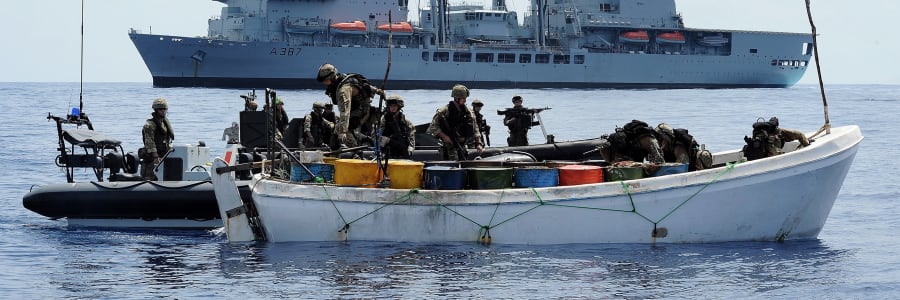
Photo: LA(Phot) Dave Jenkins / Wikimedia (OGL v1.0)
Pirates are back near the Horn of Africa because gaps in patrol coverage let them strike two ships in one week, and 22 Indian crew are now caught in the middle.
Where exactly were these two ships headed?
Six armed pirates seized the Eritrea-flagged tanker M.T. Sibu 1 in the Gulf of Aden, about 30 nautical miles off Yemen, with 16 of its 20 crew being Indian. All 20 crew were reported safe by the Directorate of Maritime Administration, though updates on the vessel remained awaited.
What cargo was the Sibu 1 actually carrying?
The Sibu 1 was an oil products tanker, an Eritrea-flagged vessel carrying refined fuel cargo through the Gulf of Aden when six armed pirates boarded it roughly 30 nautical miles off Yemen's coast.
Who are the other crew aboard the Sibu 1?
Besides 16 Indians, the Sibu 1's 20-member crew included a Syrian, a Sudanese and an Iraqi national, while one crew member's nationality had not been confirmed at the time officials gave their update.
Has the Sibu 1's location been confirmed since?
Officials said all 20 crew aboard the Sibu 1 were reported safe, but further details on the vessel's exact status and location were still awaited from the Directorate of Maritime Administration.
Why is piracy resurging near Yemen and Somalia now?
The Cameroon-flagged cargo ship M/V LUTUF was hijacked on Monday off Somalia's Puntland region, roughly 3.5 nautical miles from Marraya in Eyl district, by eight pirates linked to the group behind April's M/V Sward hijacking. Six of its 10 crew were Indian.
Why do pirates target vessels near Yemen and Somalia?
The Gulf of Aden and waters off Somalia's Puntland sit along one of the world's busiest shipping corridors linking the Red Sea to the Indian Ocean, and patchy naval patrol coverage in these waters has historically let armed groups seize slow-moving cargo and tanker ships for ransom.
Is the group behind LUTUF linked to other hijackings?
Officials said the eight pirates who took the LUTUF are believed to belong to the same group involved in hijacking the M/V Sward back in April, pointing to a repeat operation rather than a one-off crew acting alone.
Why did Turkey send helicopters to monitor LUTUF?
Turkey sent helicopters, drones and two Turkish-owned vessels to monitor the LUTUF because it was carrying weapons and equipment bound for a Turkish military training facility in Mogadishu, making the cargo a direct security concern for Ankara.
Who else is exposed if these hijackings continue?
The LUTUF was carrying Turkish weapons, communication gear and satellite equipment meant for a Turkish military training facility in Mogadishu, which drew two Turkish-owned vessels and Turkish helicopters and drones to monitor the area near Garmaal.
How many Indian seafarers work on similar routes?
Indian nationals make up a large share of crews on commercial vessels globally because Indian seafarers are widely recruited by international shipping companies, which is why 16 of 20 crew on the Sibu 1 and 6 of 10 on the LUTUF were Indian despite the ships flying Eritrean and Cameroon flags.
What happens to ransom negotiations in these cases?
Hijackings for ransom typically involve prolonged standoffs where shipowners, insurers and sometimes governments negotiate crew release, though the source gives no confirmed details yet on ransom demands or negotiations for either the Sibu 1 or the LUTUF.
Could shipping companies reroute to avoid this area?
Shipping lines facing piracy risk in a corridor can either pay for armed escorts and insurance premiums or divert around the Horn of Africa entirely, a longer route that raises fuel costs and delivery times for cargo owners depending on those goods reaching port on schedule.
Source: livemint.com