economy · 2026-03-29
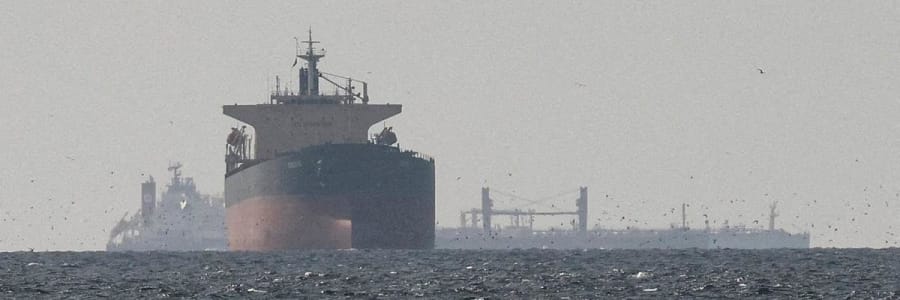
5 LPG Ships Stuck Near Hormuz Strait
3e17f823-61cd-4785-8a20-bfc527c5a13e
Five India-bound LPG tankers remain anchored near the Strait of Hormuz, signaling supply disruption risksThe Hormuz chokepoint handles roughly one-fifth of global LPG trade, making any blockage a major concern for importersIndia imports over half its LPG needs, so prolonged delays could affect household cooking fuel prices and availability
Why are LPG ships stuck near Hormuz?
The Strait of Hormuz is a narrow waterway between Iran and Oman. Geopolitical tensions or naval standoffs can halt shipping through this chokepoint. Five LPG carriers bound for India are anchored rather than transiting, likely due to [security concerns or regional military activity] near the strait.
What makes Hormuz so hard to bypass?
Hormuz is only 33 km wide at its narrowest. Alternative routes like [the Suez Canal or Cape of Good Hope] add thousands of nautical miles and days of transit. No pipeline bypasses exist for LPG at this scale, making the strait virtually irreplaceable for Gulf exporters.
How do naval tensions disrupt tankers?
When regional militaries issue warnings or conduct exercises, insurers raise war-risk premiums. Shipping companies then order vessels to anchor and wait. For example, [Lloyd's of London war-risk surcharges] can spike overnight, making transit economically unfeasible until conditions stabilize.
Why can't ships just reroute quickly?
LPG tankers are specialized pressurized vessels with fixed charter routes. Rerouting requires new port clearances, rebunkering fuel, and renegotiating delivery windows. A ship headed for [Kandla or Mangalore port] can't simply divert to a different origin without weeks of logistics replanning.
How could this hit Indian household budgets?
India subsidizes cooking gas, but supply squeezes raise costs. If tankers stay stuck, distributors may face shortages, pushing spot prices up. Households using [subsidized Ujjwala LPG connections] could see delayed cylinder deliveries. Prolonged disruption would pressure the government to tap strategic reserves or find alternative suppliers.
Would LPG prices spike for Indian families?
If disruption lasts weeks, spot LPG prices could jump 10 to 15%. The government may hold retail prices steady temporarily by increasing subsidies. But [a Rs 50 to 100 per cylinder hike] becomes likely if the blockage persists, hitting lower-income households hardest.
Could the government absorb extra costs?
India's oil marketing companies like [Indian Oil and Bharat Petroleum] already carry under-recoveries. The fiscal buffer is limited. With election cycles and inflation concerns, the Centre would likely dip into strategic reserves before passing costs to consumers, but that buys only a few weeks.
What alternatives exist for consumers?
Some households can switch to [piped natural gas or induction cooktops], but infrastructure limits this to urban areas. Rural India, where Ujjwala connections dominate, has few alternatives. Long-term, diversifying LPG sourcing from [the US or Australia] reduces Hormuz dependency.
What share of India's LPG comes this route?
India imports roughly 60% of its LPG, with a large share routed through Hormuz. Around [15 to 17 million tonnes annually] flow via this corridor from Gulf producers like Qatar and Saudi Arabia. Five stuck ships represent a meaningful short-term pinch for a country serving over 310 million LPG connections.
How dependent is India on Gulf LPG exactly?
Roughly 3 out of 5 LPG tonnes India imports originate from Gulf nations, primarily [Qatar, Saudi Arabia, and UAE]. This concentration means any Hormuz disruption disproportionately affects India compared to countries sourcing from diverse basins.
How does this compare to past disruptions?
In 2019, attacks on [Saudi Aramco facilities at Abqaiq] briefly spiked global energy prices. That disruption lasted days. Five anchored ships suggest a slower-burn scenario. If this stretches beyond two weeks, it would rank among India's most significant LPG supply scares.
What would diversified sourcing look like?
India could increase long-term contracts with [US Gulf Coast LPG exporters] shipping via the Atlantic. Australia and Mozambique are emerging suppliers. Building more [import terminals on the east coast] would reduce reliance on western ports fed exclusively by Hormuz-routed cargoes.
Source: thehindu.com