economy · 2026-09-30
ACs, TVs to cost up to 8% more from October
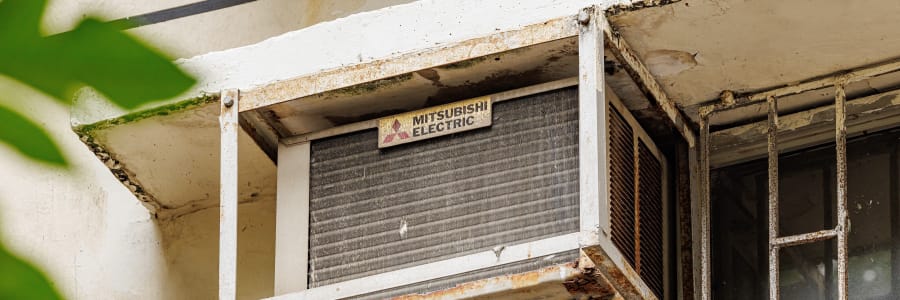
Photo: Wikimedia Commons
Rising copper and other metal prices are pushing up the cost of appliances like ACs and TVs, and you'll pay up to 8% more for them from October 1.
Why did copper prices jump 60%?
The war in West Asia, the region including Israel and Iran, pushed up commodity prices and freight costs, as Blue Star's MD noted.
How does old stock keep Diwali prices low?
Dealers stocked up in August and September through pre-buying schemes at old prices, so that inventory, lasting a month to a month and a half, covers the festive season before new tags take effect post-Diwali.
Why is the price hike being spread across three rounds?
Manufacturers are deliberately staggering increases to protect the festive season, which brings 30-40% of annual sales. Haier plans 5% hikes in October, December and January instead of one 15% jump, because old-price inventory stocked by dealers covers Diwali. Our read: the staggered approach is a bet that input costs will ease by January, letting brands avoid a permanent price spike that could permanently dampen demand.
Who pays when copper costs rise?
The buyer pays, through three rounds of price hikes in 2026. An AC uses 3-4 kg of copper, and prices went from about $8,000 a tonne last year to roughly $14,500 now, so manufacturers say they have no choice but to pass costs on. Haier's president put it plainly: "If we avoid taking price hikes, we will lose money." The GST cut from 28% to 18% on ACs softened the blow, leaving buyers with a net rise of about 5%.
Will the price hikes stick if copper prices fall?
The evidence shows copper prices are already under pressure that could ease costs. LME stocks are rising, with new deliveries noted, while the recent price rally to the year's high came from Chinese buying ahead of a holiday week, not new supply constraints. Haier itself plans hikes in October, December and January, yet the copper market data suggests the metal's cost could soften. Our read: the later rounds are conditional and will likely shrink if copper falls, since manufacturers are passing on costs, not setting prices.
Can the AC industry just switch to cheaper materials?
No, not easily. Copper is used in critical parts like heat exchangers, compressors and connecting pipes, and manufacturers say it is very difficult to reduce usage without affecting performance or durability. Some substitution with aluminium happens, but high copper prices are already forcing some manufacturers to consider cheaper aluminium even at the cost of some performance loss, according to a bank's outlook. So the industry is largely stuck with copper, which is why the cost lands on buyers.
Will the GST cut survive if copper prices keep climbing?
The GST cut is a policy decision, not a market adjustment. The 18% rate on ACs, down from 28%, was set in September 2025 because ACs were "no longer considered a luxury," according to the rate rationalisation. It is not tied to copper prices. Input tax credits for businesses also remain available on ACs installed for commercial use. Nothing in the evidence links the tax rate to commodity costs, so the cut stands regardless of what copper does. Our read: the GST relief was a structural change, not a temporary cushion, and it will not be reversed because of metal prices.
Why can't manufacturers absorb these costs themselves?
Their margins are already squeezed by several compounding costs, not just copper. Blue Star's chief said costs are up roughly 15% versus last year, and Haier's president said, "If we avoid taking price hikes, we will lose money." On top of metals, there is a weakening rupee that raises import costs for components priced in dollars, higher freight charges, and new energy-efficiency norms that force investment in pricier compressors and heat exchangers. With festive season bringing 30-40% of annual sales, they cannot risk both higher costs and lower volumes.
Did GST cuts help buyers earlier?
Yes, say manufacturers: costs are up about 15% versus last year, but a GST cut from 28% to 18% on ACs gives buyers about 10% in benefits, leaving a net rise of roughly 5%.
Why are price hikes happening in rounds instead of one big jump?
The festive season from Onam, a harvest festival in Kerala, through Diwali, which together account for 30-40% of annual appliance sales, so brands like Haier plan 5% hikes in October, December and January instead of one 15% jump at once.
Can appliance makers absorb this themselves?
The GST cut on ACs, from 28% to 18%, softens the consumer's bill by about 10%, so manufacturers still absorb part of the hit.
Who actually pays when copper prices stay high?
The 18% GST, down from 28%, softens the net hit to about 5%, so buyers absorb part of the rise while companies absorb the rest through thinner profits.
Will old-price deals survive past Diwali?
Largely no. Dealers stocked inventory in August and September through pre-buying schemes at older rates. Godrej's head says these pipelines will last a month to a month and a half, so Diwali gets covered, but post-festivities new tags take effect. Haier plans 5 percent hikes in October, December and January, for a cumulative 15 percent, if input costs stay elevated. Our read: the only way to beat the hike is to buy before Diwali.
Why is copper still rising, and could it fall back?
The current spike is mostly buying ahead of China's holiday week, which has driven LME cash copper to $14,740 a tonne, up 3.5% in two weeks. Yet warehouse stocks are rising, and one analyst flatly advises industrial buyers not to buy into the restocking, calling it a pre-holiday move rather than new tight supply. A US tariff decision on refined copper remains open, and any proclamation could shift prices in a single day. Our read: copper eases once Chinese buying pauses, so today's high is not a new floor.
Why does the GST cut cushion the consumer's bill?
The GST on ACs was cut from 28% to 18% from 22 September 2025, after the 56th GST Council's rate rationalisation. ACs are no longer treated as a luxury and now fall in the standard 18% slab alongside other household appliances. That 10-percentage-point reduction lowers the tax component of the final price, which is why Blue Star's MD says the net impact on buyers is about 5% even though costs have risen roughly 15%. The cut absorbs part of the commodity shock before it reaches you.
Who pays for the GST cut itself?
The GST cut lowers the tax on an AC from 28% to 18%, shrinking the government's tax take on each sale. But manufacturers can claim Input Tax Credit on the copper, steel and other inputs they buy, so the tax they owe is on value added, not the full price. The 10-point cut thus narrows the government's revenue from the appliance's value chain, not the makers' costs. The consumer still pays about 5% more net, while the state absorbs the remainder of the commodity shock in forgone tax. [e8]
Why do appliance makers keep raising prices in small steps instead of one big jump?
Manufacturers stagger hikes to protect demand through the festive season, which brings 30-40% of annual appliance sales. Haier plans 5% increases in October, December and January, for a cumulative 15%, rather than one large jump that could scare buyers away. This keeps old-price inventory flowing during Diwali, when dealers have stocked products bought at older rates. Godrej's head says pipelines of pre-hike stock will last a month to a month and a half, covering Diwali, with new tags taking effect after. Our read: the staggered approach is about managing consumer sentiment during the peak shopping window, not about being gentle with wallets after it closes. [e4][e6][e7]
Source: businesstoday.in