politics · 2026-07-29
Anti-Paper Leak Bill Passed in Lok Sabha
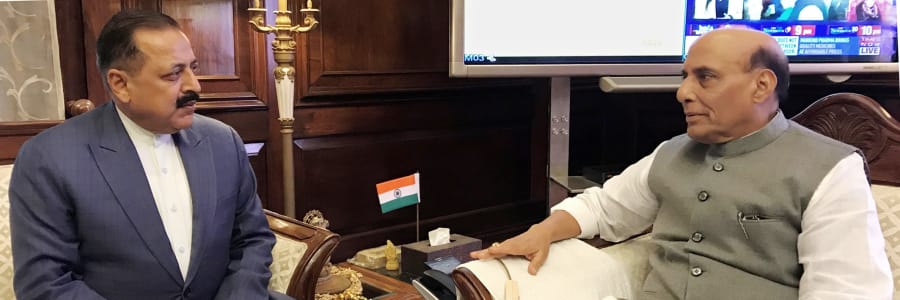
Photo: Ministry of Home Affairs / Wikimedia (GODL-India)
The Lok Sabha passed the Public Examination (Prevention of Unfair Means) Amendment Bill, 2026 on.Jail terms rise from 3-5 years to 5-10, with fines up from Rs10L to Rs50L.Aspiring candidates in UPSC, SSC, railways, banking and NTA exams benefit from faster justice via.
What do the new fast-track courts actually do?
State govts can designate any sessions court as a special fast-track court; trials must finish within 3 months of chargesheet filing, with day-to-day hearings mandated.
How do special task forces differ from normal?
Special task forces are central govt-constituted units added alongside existing central agency transfers, while state police and central agencies also face the same 2-month investigation deadline.
What happens if a trial misses the 3-month?
Fast-track statutes typically rely on administrative monitoring rather than automatic dismissal; the binding element is the day-to-day hearing mandate, which prevents adjournment culture that slows ordinary courts.
Where do appeals go and how fast?
Appeals go to a 2-judge high court bench and must be disposed within 3 months of admission; this skips the single-judge route and creates direct oversight.
Why did penalties need to jump so sharply?
The 2024 original law followed repeated paper leak controversies with no dedicated law before it; 52 FIRs have been lodged since, showing the problem persisted despite existing penalties.
Why 5-10 years specifically for individuals?
Minimum sentencing frameworks in Indian law typically set floors to prevent judicial discretion from going too low; the 5-year floor here eliminates sub-5-year outcomes that the original law permitted.
How does organised crime differ from individual?
Organised crime under the bill triggers 7-year minimum jail and ₹10 crore fines, up from 5 years and ₹1 crore; the distinction matters because ring leaders profit from scale while individual cheats act alone.
What prompted the service provider crackdown?
Service providers conduct exams for multiple agencies; one compromised firm can affect lakhs of candidates across UPSC, SSC, banking and railway exams simultaneously, making their integrity a systemic node.
Who beyond exam takers is targeted by higher?
Service providers face fines up to ₹5 crore (from ₹1 crore) and 8-year debarment (from 4 years); their directors and senior management now face 5-10 years jail, up from 3-10 years.
Do state govts have to create new courts?
State govts may designate existing sessions courts rather than build new infrastructure; this repurposes current capacity rather than requiring fresh budgets or construction.
How do special prosecutors differ from regular?
Special public prosecutors are dedicated appointees required for these cases; unlike regular prosecutors who handle mixed caseloads, they build focused expertise in examination fraud evidence and timelines.
What happens to debarred firms' ongoing contracts?
Debarment extensions from 4 to 8 years apply prospectively to future conduct; the bill does not specify automatic termination of existing contracts, leaving that to agency-level contract law and termination clauses.
Source: economictimes.indiatimes.com