business · 2026-06-19
Apple's Price Hikes May Stall India Sales
5d0b1517-6fb8-4553-a0f8-7d19c51a59d9
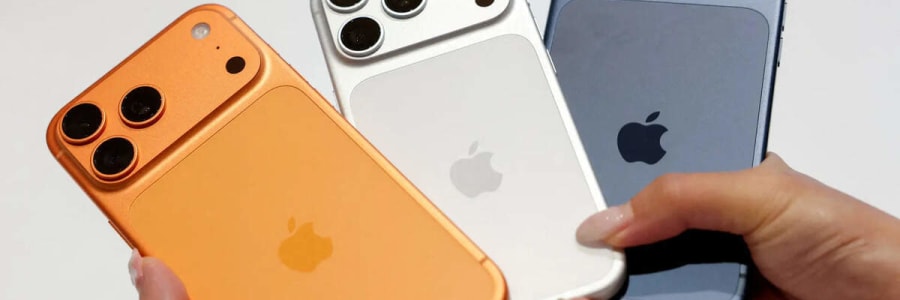
Rising memory chip costs and rupee depreciation are pushing Apple to raise iPhone prices in IndiaAnalysts downgrade India iPhone shipment forecasts from double-digit growth to flat or low single-digit growthApple expected to ship ~14-15Mn iPhones in India this year, but festive season discounts may be smaller than usual
Why are iPhones getting more expensive?
Two forces are squeezing Apple. Memory chip costs are rising globally, pushing up component bills. Simultaneously, the rupee's depreciation against the dollar makes imports costlier. CEO Tim Cook flagged the chip shortage directly. For India, where most iPhones are still imported as finished products, this double hit lands harder than in the US market.
What's driving memory chip costs up?
AI demand from companies like Nvidia and Microsoft is consuming DRAM and NAND flash capacity, tightening supply for consumer electronics. Apple's latest iPhones use more on-device memory for AI features. When supply is tight and per-unit memory content rises, component costs spike. Tim Cook called the shortage a direct pricing factor.
Why does rupee depreciation matter here?
Apple prices its products in dollars globally. When the rupee weakens, say from 83 to 87 per dollar, a $799 iPhone's rupee cost rises by ~₹3,200 before any chip-cost increase. India imports most finished iPhones. Unlike locally manufactured Samsung devices, Apple absorbs the full forex hit, making India uniquely vulnerable to currency swings.
Can Apple absorb costs instead of hiking?
Apple's gross margin sits at ~46%, giving it theoretical room. But absorbing costs in India, which contributes ~3% of global iPhone revenue, while maintaining margins in the US and Europe is unlikely. Apple historically passes costs through. In 2023, it raised India iPhone prices by 3-5% after tariff changes rather than absorbing them.
How does this hit Apple's India momentum?
India was Apple's fastest-growing major market, with analysts projecting double-digit shipment growth for 2026. That forecast has now been cut to flat or low single-digit growth. Apple is expected to ship ~14-15Mn units, but hitting even that depends on festive season discounts. Smaller discounts mean fewer price-sensitive buyers convert.
Which iPhone models drive India sales?
Previous-generation models like iPhone 15 and iPhone 14 drive the bulk of India volume. Analysts estimate older models account for ~60-70% of India shipments. These sub-₹50K devices attract aspirational buyers trading up from Samsung or OnePlus. If price hikes push even these models above key psychological thresholds, conversion drops sharply.
Will smaller festive discounts hurt badly?
India's festive season (Sep-Nov) typically accounts for ~40% of annual smartphone sales. In 2025, Apple offered ₹5K-10K discounts on Flipkart and Amazon during Diwali, boosting volumes significantly. If 2026 discounts shrink due to cost pressures, that peak selling window narrows. Brands like Samsung and Vivo, with local manufacturing cost advantages, could capture share.
How does this affect Apple's India strategy?
Apple has been expanding local assembly through Foxconn and Tata Electronics in India, which reduces import duties from ~22% to lower rates. But local assembly currently covers only select models. A sustained price ceiling could accelerate Apple's push to manufacture more models domestically. The cost pressure may actually speed up Apple's Make in India commitment.
What do flat sales signal for Apple?
India's iPhone shipments flattening at ~14-15Mn units signals a ceiling for Apple's volume play. For context, Samsung ships ~100Mn+ smartphones annually in India. Apple's India share remains small. Flat growth suggests the sub-$500 segment, where most Indians buy phones, is resistant to price increases. Apple's premium positioning faces a structural affordability wall.
How big is India vs. Apple's total sales?
India accounts for ~3-4% of Apple's global iPhone revenue but is its fastest-growing large market. Apple shipped ~12-13Mn iPhones in India in 2025. For comparison, China contributes ~18% of iPhone revenue. India's importance is strategic, not yet revenue-critical. But losing growth momentum here dents Apple's narrative of diversifying beyond China.
Is Samsung gaining ground from this?
Samsung ships ~100Mn+ smartphones annually in India and manufactures locally at its Noida plant, giving it a cost advantage. If Apple raises prices while Samsung holds or discounts, Samsung could widen its lead in the ₹30K-50K segment. Brands like Xiaomi and Vivo, also manufacturing locally, are similarly insulated from import-driven cost spikes.
What growth rate did analysts expect before?
Analysts had projected 15-20% volume growth for iPhones in India for 2026, building on strong 2025 momentum. The downgrade to flat or low single-digit growth is a sharp reversal. For context, India's overall smartphone market grows at ~5-7% annually. Apple going from 3-4x market growth to below-market growth represents a meaningful deceleration.
Source: economictimes.indiatimes.com