world · 2026-06-20
India Wins FATF Vice-Presidency
e09bb81c-6ce8-4bf0-abfd-e3d9c0ed5521
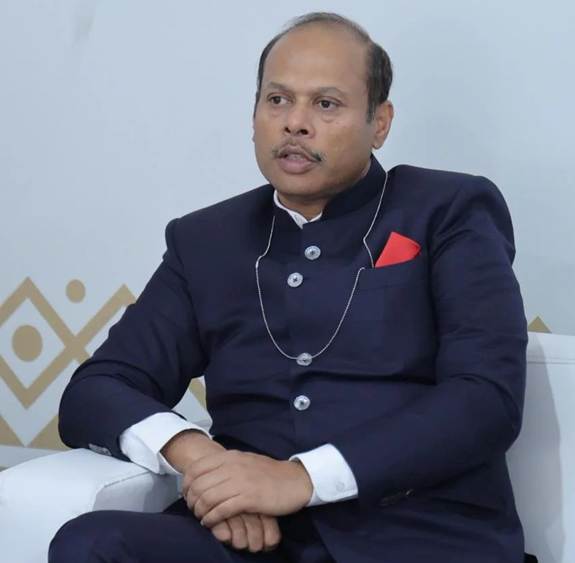
IAS officer Vivek Aggarwal elected FATF Vice-President for Jul 2026 to Jun 2028, a first for IndiaThe role gives India a leadership seat in the global body that sets anti-money laundering and terror financing standardsIndia's elevation follows years of strengthening its domestic financial crime framework and compliance ratings
Why does FATF leadership matter for India?
FATF sets global rules on money laundering and terror financing. A vice-presidency lets India shape these standards, influence which countries face scrutiny, and strengthen its reputation with global banks. For example, Pakistan spent years on FATF's grey list, which restricted its access to international capital.
What can India change from this seat?
India can push for standards addressing crypto-related money laundering and hawala networks. For instance, FATF recently flagged virtual asset risks. India's VP can prioritize Asian financial crime typologies, ensuring global rules reflect threats relevant to South and Southeast Asian economies.
Who held the FATF VP role before India?
FATF rotates leadership among member nations. The presidency has been held by officials from the US, Germany, Singapore, and Mexico in recent cycles. India joining the VP tier places it alongside G7 nations in FATF governance for the first time, signaling growing institutional weight.
Does this affect India-Pakistan dynamics?
India can influence evaluation criteria and peer reviews. Pakistan remains under FATF monitoring. An Indian VP could advocate stricter benchmarks on terror financing compliance, though FATF decisions are consensus-based, limiting any single member's unilateral influence.
How did India earn this FATF role?
India improved its compliance over the past decade by tightening KYC norms, upgrading the Enforcement Directorate's capacity, and passing stronger PMLA amendments. In FATF's 2023-24 mutual evaluation, India scored well on 38 out of 40 technical compliance parameters, building credibility for a leadership bid.
How does FATF compliance actually work?
FATF evaluates countries on 40 recommendations covering banking oversight, beneficial ownership registries, and cross-border transaction monitoring. Mutual evaluations happen roughly every 8 years. India's 2023-24 review, for example, assessed enforcement actions and prosecutions under PMLA.
What role does India's ED play in this?
The Enforcement Directorate handles PMLA cases and coordinates with FATF on compliance data. ED's asset attachment orders crossed ₹1.8L Cr cumulatively by 2024. This aggressive enforcement record strengthened India's case. ED also shares intelligence with FATF's Egmont Group network of 166 financial intelligence units.
Which sectors benefit from better ratings?
Banking, fintech, and real estate benefit most. Strong FATF ratings reduce compliance friction for Indian banks like SBI and HDFC operating abroad. Fintech firms like Razorpay face smoother cross-border payment approvals. Real estate sees less capital flight suspicion, potentially attracting more legitimate foreign buyers.
What do FATF ratings mean for economies?
Countries on FATF's grey list face higher borrowing costs and reduced foreign investment. When Pakistan was grey-listed in 2018, its FDI dropped ~25% over three years. Conversely, strong ratings signal regulatory reliability. India's clean record helped attract ~$85Bn in FDI in FY24.
What happens if a country fails FATF?
Countries failing FATF reviews face grey or black listing. Grey-listed Myanmar saw correspondent banking relationships cut, making trade settlements difficult. Black-listed nations like North Korea and Iran face near-total exclusion from global financial systems, unable to process SWIFT transactions normally.
How many countries are FATF members?
FATF has 40 member jurisdictions, including all G7 nations, China, India, and Saudi Arabia. Additionally, over 200 jurisdictions follow FATF standards through regional bodies like the Asia-Pacific Group. India joined as a full member in 2010, after being an observer since 2006.
Has India ever faced FATF scrutiny?
India was never grey-listed but faced pressure in the early 2000s over hawala networks and weak KYC enforcement. After the 2008 Mumbai attacks, India accelerated PMLA reforms and established FIU-IND. Its 2023-24 mutual evaluation praised prosecution rates but flagged gaps in non-profit sector oversight.
Source: ndtv.com