economy · 2026-06-21
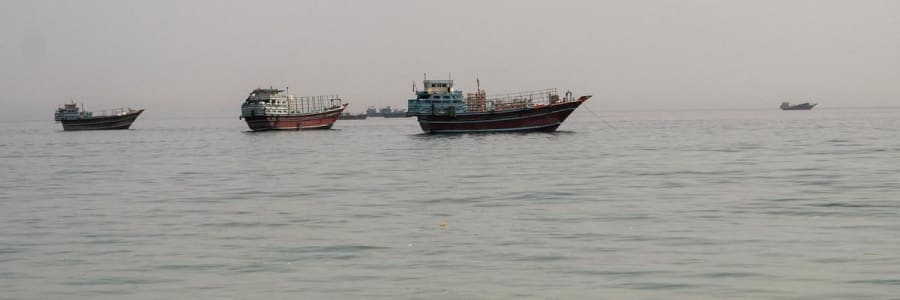
Indian Tankers Cross Strait of Hormuz
faaf3dd5-8522-4a24-ab83-793cc9a87507
Three Indian-flagged oil tankers transited through the Strait of Hormuz amid regional tensionsIndia imports ~85% of its crude oil, with a large share shipped through this narrow waterway near IranThe transit signals India's effort to keep energy supply lines open despite geopolitical risks
Why does the Strait of Hormuz matter so much?
The Strait of Hormuz is a 33km-wide chokepoint between Iran and Oman. Roughly 9 in 10 tankers passing through it carry oil to Asia. For India, which imports ~85% of its crude, disruption here would choke supplies from Saudi Arabia, Iraq, and the UAE, its top three Gulf suppliers.
What makes this waterway so hard to bypass?
There is no pipeline alternative for Gulf oil exports at comparable volume. The only bypass is Saudi Arabia's East-West pipeline, which handles ~5Mn barrels/day, a fraction of the ~20Mn barrels/day flowing through Hormuz. Geography makes this strait irreplaceable for now.
Why does Iran control this chokepoint?
Iran's coastline runs along the strait's northern edge. Its navy and Revolutionary Guard can deploy mines, fast boats, and anti-ship missiles within minutes. In 2019, Iran seized the British-flagged Stena Impero tanker, demonstrating its ability to disrupt traffic.
How do navies protect tankers there?
India's navy has deployed warships in the Arabian Sea for escort duties. The US Fifth Fleet, based in Bahrain, maintains a permanent carrier presence. In 2019, the US formed the International Maritime Security Construct with allies to patrol the strait after Iranian tanker seizures.
What happens to oil prices if Hormuz closes?
Even a brief closure could spike Brent crude above $100/barrel. India's annual oil import bill is ~$150Bn. Every $10/barrel increase adds roughly $15Bn to that bill. Refiners like Indian Oil and BPCL would face margin pressure, and pump prices could rise within weeks if the govt doesn't absorb the cost via subsidies.
How would costlier oil hit Indian consumers?
India's fuel pricing is partially deregulated. If crude rises $10/barrel, petrol could rise ₹5-7/litre unless the govt cuts excise duty, as it did in Nov 2021 when it slashed central excise by ₹5/litre on petrol. Cooking gas subsidies would also balloon, straining the fiscal deficit.
Could India diversify away from Gulf oil?
Russia now supplies ~35% of India's crude, up from ~2% before 2022. But Russian oil travels longer routes, raising shipping costs. India has also explored long-term contracts with Guyana and the US. Full diversification from Gulf oil would take a decade or more given refinery configurations.
What sectors beyond fuel get hurt most?
Aviation fuel, petrochemicals, and fertilizers are most exposed. Jet fuel is ~40% of airline operating costs. IndiGo, India's largest carrier, warned in 2024 that every $1/barrel increase in crude adds ~₹200Cr to its annual fuel bill. Fertilizer subsidy costs would also spike for the govt.
How reliant is India on this single route?
India sources ~60% of its crude from the Middle East, with most shipped through Hormuz. Iraq alone supplies ~1Mn barrels/day to India. While Russia has become a major supplier post-2022, its crude arrives via longer routes. No single alternative route replaces Hormuz for Gulf oil volumes.
What share of India's oil comes via Hormuz?
Roughly 3 in 5 barrels India imports pass through Hormuz. That is ~2.5Mn barrels/day out of India's total ~4.5Mn barrels/day imports. This concentration makes any disruption an immediate threat to refinery operations at facilities like Jamnagar, the world's largest refining complex.
How has India's Gulf oil share changed?
In 2021, Gulf nations supplied ~65% of India's crude. By 2025, that fell to ~58% as Russian crude surged from ~2% to ~35%. Still, Iraq, Saudi Arabia, and the UAE remain in India's top 5 suppliers. The Gulf share declined in percentage but absolute volumes stayed largely steady.
Which Indian ports receive most Gulf crude?
Jamnagar in Gujarat, operated by Reliance, processes ~1.4Mn barrels/day, mostly Gulf crude. Mangalore's MRPL refinery, owned by ONGC, also relies heavily on Middle Eastern grades. Mumbai's BPCL refinery and Kochi's BPCL facility round out the top Gulf crude receivers on India's west coast.
Source: thehindu.com