business · 2026-03-12
IndiGo CEO quits 3 months after crisis
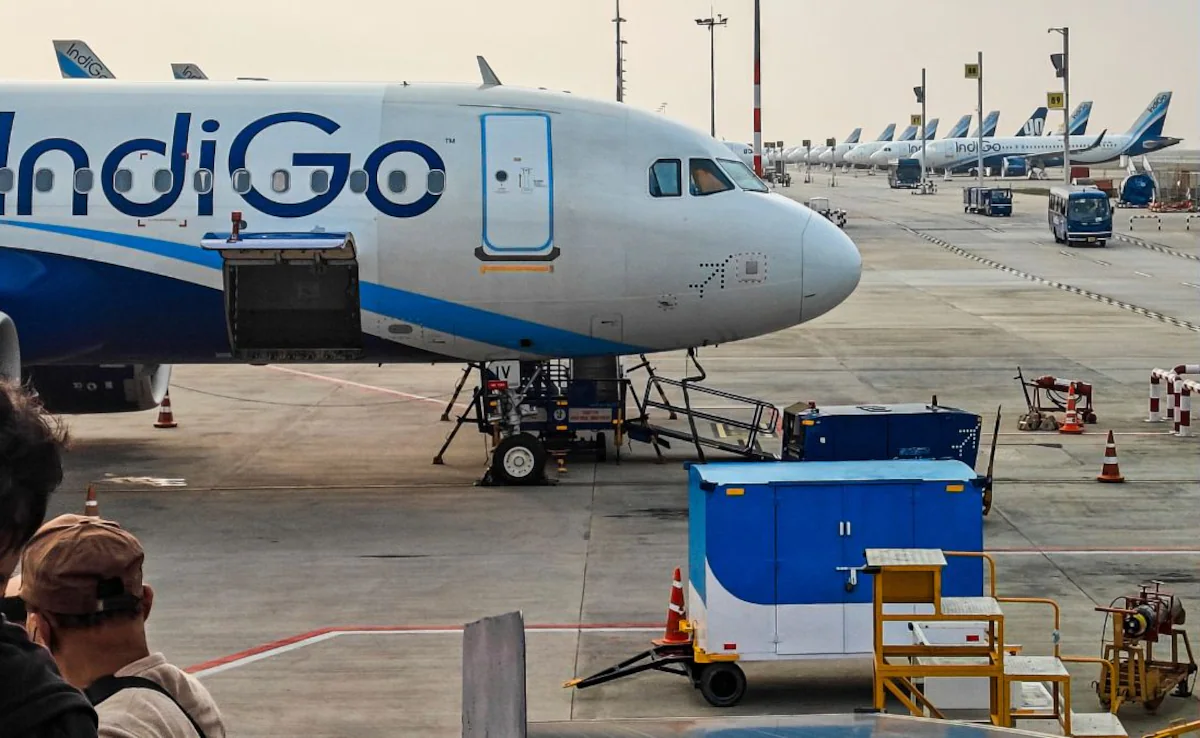
Pieter Elbers resigned as IndiGo CEO on March 10, citing personal reasons. Rahul Bhatia (co-founder, managing director) takes over as interim CEO. Board expects new permanent leader "in short order."This comes 3 months after December 2025's operational meltdown. Between December 3-5, IndiGo cancelled 2,500+ flights and delayed 1,900 others. Over 300,000 passengers stranded.Crisis arose from failure to adjust to new pilot fatigue rules (FDTL). DGCA fined IndiGo ₹22.2 crore (record). Sent show-cause notices to Elbers directly.IndiGo stock jumped 3% March 11 despite CEO exit. Brokerages (HSBC, Jefferies) maintain 'buy' ratings, saying no strategic shift expected.
IndiGo used to be reliable. Why the sudden mess?
IndiGo failed to plan for new safety regulations. In January 2024, DGCA announced updated Flight Duty Time Limitation (FDTL) rules to reduce pilot fatigue. Two years' notice given. Full implementation: November 1, 2025.Other airlines (Air India, Akasa Air) hired more pilots ahead of deadline. IndiGo froze all pilot hiring in February 2025. Federation of Indian Pilots accused IndiGo of "hiring freeze, non-poaching agreements, pay freeze through cartel-like behaviour."IndiGo also increased winter schedule by 6% despite knowing new rules would reduce available pilot hours.
But I don't see this mess at other airlines. How come?
Other airlines prepared ahead. Air India and Akasa Air both hired aggressively before November 2025. Akasa Air focused specifically on pilot recruitment to handle new FDTL norms.IndiGo operates 60%+ of India's domestic flights (2,300 daily flights). Sheer scale meant even small planning gaps caused massive disruptions. Air India operates ~400 flights/day; SpiceJet ~220; Akasa ~150."IndiGo's challenges stemmed from years of lean manpower planning and delayed hiring," said Federation of Indian Pilots. Other airlines didn't over-optimize crew utilization the way IndiGo did.
Did government relax the regulation or did IndiGo comply?
Government granted IndiGo temporary exemption December 5, suspended some FDTL rules until February 10, 2026. Included night duty rules and leave-for-rest norms. Exemption criticized by pilot unions as "compromising safety."IndiGo also cut schedule by 10% (government-ordered December 9). Airline has operated in full compliance since February 11, 2026.Government required IndiGo to pledge ₹50 crore bank guarantee to DGCA subject to verified implementation of reforms in leadership, manpower planning, rostering, fatigue management.
Did the airline pay fines and what was compensation to customers?
IndiGo paid ₹22.2 crore fine to DGCA (roughly $2.7 million) in January 2026. This was a record fine—largest ever imposed on an Indian airline for operational failures.Customer compensation: Full refunds for all cancelled flights. IndiGo estimated ₹500 crore ($59 million) in refunds. Also offered free rescheduling with no fees for bookings until December 15.DGCA mandated completion of all refunds by December 7. Government capped airfares during crisis to prevent other airlines from price-gouging stranded passengers.
What exactly happened 3 months ago?
New FDTL rules cap pilot duty hours and night flying. Key changes: pilots must get 48 consecutive hours off per week (up from 36). Night operations redefined as midnight-6am (previously 5am). Night landings limited to 2 per week (down from 6).December 2-5, 2025: IndiGo cancelled 2,500+ flights across 10 days total. Worst-hit cities: Bengaluru (124 cancellations Dec 5), Mumbai (109), Delhi (86), Hyderabad (68). On-time performance crashed to 35% on December 2 (normally 80%+).Happened during peak wedding season. Government capped airfares to prevent price gouging.
Any other examples of government regulation causing problems for companies? Tell me about Vodafone.
Vodafone tax case: Government changed law retroactively after losing. In 2007, Vodafone bought 67% stake in Hutchison Essar (Indian telecom) via offshore transaction. Indian tax authorities demanded ₹11,000+ crore in capital gains tax.Supreme Court ruled in Vodafone's favor (January 2012): transaction happened offshore, India can't tax it. Government responded by amending Income Tax Act with retroactive effect from 1962. Rewrote law to override Supreme Court.Vodafone took India to international arbitration, won in September 2020. India challenged verdict. Government finally rolled back retrospective tax in August 2021 to attract foreign investment.
How should I interpret share price changes after CEO changes?
CEO changes often signal instability, but markets priced this in already. IndiGo stock had already dropped 30% from peak due to December crisis and oil price spike. Resignation wasn't a surprise—Elbers was under intense pressure since December.Brokerages staying bullish because: (1) Rahul Bhatia is co-founder, knows the business deeply. (2) IndiGo still dominates with 60%+ market share. (3) Operational issues resolved; airline flying at full capacity again.HSBC target price: ₹5,860 (34% upside). Jefferies also maintains 'buy.' But some downgraded to 'sell' (Investec, MarketsMOJO) citing oil cost risks.
What are IndiGo's biggest challenges going forward?
Oil prices are the biggest near-term threat. With Iran war ongoing, oil at $110/barrel vs $70 pre-war. ATF is 40% of costs. IndiGo can't fully pass costs to price-sensitive Indian consumers.Pilot shortage across Indian aviation. India faces deficit of 1,000-1,500 qualified pilots. FDTL rules require more pilots for same number of flights. Hiring and training takes 18-24 months.Competition intensifying: Air India (Tata-owned) expanding aggressively, Akasa Air growing fast. IndiGo's 60%+ market share may face pressure from regulators concerned about dominance.
Is there any impact on share prices?
Stock fell 8% on March 9 due to oil price spike, then recovered 3% March 10 after CEO resignation announcement. Share price March 10: ₹4,380.52-week high: ₹6,232; 52-week low: ₹4,035. Stock down ~30% from peak. Market cap: ₹1.69 lakh crore.Oil prices hurt IndiGo badly. Aviation Turbine Fuel (ATF) makes up ~40% of airline costs. Every $5/barrel increase in Brent crude cuts IndiGo earnings per share by 13%. With oil at $110 (up from $70), that's severe margin pressure.