economy · 2026-06-19
Kerala's Debt Hits ₹5.07L Cr: What Now?
dbb6adf1-f5d4-4e4a-8458-e74a69bd729e
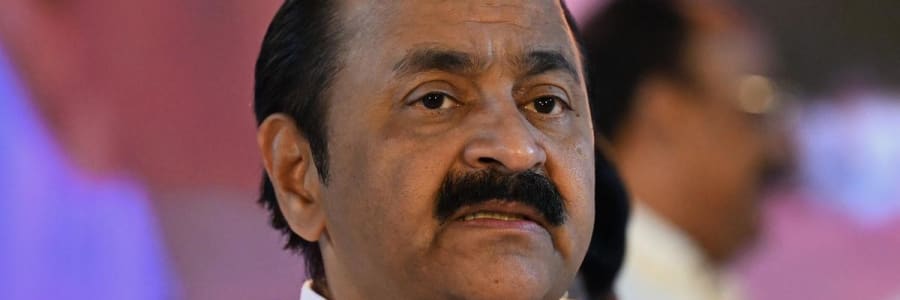
Kerala's total liabilities stand at ₹5.07L Cr, per a White Paper tabled by CM Pinarayi Vijayan in the state assemblyCM described the state's fiscal structure as under 'serious' strain, signaling potential austerity or borrowing reforms aheadThe White Paper is meant to set a baseline for the new term's fiscal strategy, framing inherited obligations transparently
Why is Kerala's fiscal strain this severe?
Kerala's revenue base depends heavily on consumption taxes and central transfers, both of which slowed post-pandemic. Meanwhile, welfare commitments like social pensions and food subsidies kept growing. For context, Tamil Nadu's debt is ~₹13.2L Cr but its GSDP is roughly 2x Kerala's, making Kerala's debt-to-GSDP ratio comparably stretched.
What drives Kerala's high welfare spending?
Kerala spends heavily on social security pensions, free rice distribution, and healthcare. The state pays pensions to ~50L beneficiaries. Its Human Development Index rivals wealthy nations, but financing that model requires persistent high spending that outpaces revenue growth, unlike states like Gujarat that spend less per capita on welfare.
How did the pandemic worsen Kerala's debt?
During 2020-22, Kerala's GST collections dropped ~15% while pandemic relief spending surged. The state borrowed aggressively through KIIFB and treasury channels. Pre-pandemic debt was ~₹3L Cr in 2019-20. The jump to ₹5.07L Cr reflects nearly a 70% increase in roughly 6 years, well above pre-Covid trends.
Why can't Kerala raise more tax revenue?
Kerala lacks a large manufacturing base. Over 60% of state GDP comes from services and remittances. Unlike Maharashtra or Tamil Nadu, which collect significant industrial taxes, Kerala relies on consumption taxes like GST on retail. When Gulf remittances slow, consumer spending dips, directly hitting state revenue.
What does ₹5.07L Cr mean for Kerala?
₹5.07L Cr is roughly 3x Kerala's annual revenue receipts of ~₹1.6L Cr. Among mid-sized states, this ratio is steep. Maharashtra's debt is ~₹7L Cr, but its economy is over 4x Kerala's. The meaningful metric is debt-to-GSDP, where Kerala now sits above the national average for states.
How does ₹5.07L Cr compare to peer states?
Tamil Nadu's debt is ~₹13.2L Cr, Maharashtra's ~₹7L Cr. But Kerala's economy is much smaller. On a per-capita basis, Kerala's debt burden is among the highest for mid-sized states. Rajasthan and Punjab also carry high ratios, but Kerala's narrow revenue base makes servicing harder.
What is Kerala's debt-to-GSDP ratio?
Kerala's debt-to-GSDP ratio is estimated at ~35-38%, above the 25-30% range considered comfortable by the RBI for states. For comparison, Gujarat sits around 18% and Karnataka near 22%. Crossing 35% typically triggers closer scrutiny from rating agencies like ICRA and CRISIL.
Is Kerala at risk of a credit downgrade?
No rating agency has signaled an imminent downgrade. Kerala has historically maintained a stable rating. But if debt grows faster than GSDP for 2-3 more years, agencies like CRISIL may revise their outlook. A downgrade would raise borrowing costs, as happened briefly with Rajasthan in 2020.
How might this shape Kerala's spending?
High debt servicing could crowd out capital expenditure on roads, hospitals, and schools. Kerala may need to cut subsidies or raise non-tax revenue. For example, Tamil Nadu's recent White Paper led to revised spending priorities. Kerala's pension bill alone exceeds ₹20K Cr annually, limiting fiscal room for new programs.
Could Kerala cut subsidies or pensions?
Cutting pensions is politically difficult. Kerala's ~50L pension beneficiaries are a powerful voting bloc. The LDF govt may instead freeze new beneficiary additions or means-test eligibility. For example, Tamil Nadu's DMK govt chose to restructure rather than cut its rice subsidy after its White Paper.
Will this affect Kerala's infra projects?
Yes. Projects funded through KIIFB, Kerala's infrastructure financing body, may face slower disbursals. The SilverLine rail project, estimated at ₹64K Cr, already faces scrutiny. If borrowing costs rise, the state may prioritize maintenance over new builds, similar to Punjab's infra slowdown post-2019.
How do voters typically react to austerity?
Austerity rarely wins votes in Kerala's highly politicized electorate. The UDF opposition will frame any cuts as policy failure. Tabling a White Paper early in the term lets the govt attribute fiscal stress to predecessors. The same playbook was used by the DMK in Tamil Nadu in 2021 after their election win.
Source: thehindu.com