world · 2026-06-17
Modi-Starmer Hint at UK-India Trade Deal
27a53291-0fe1-4ecd-a2b1-c5f5b7a4c49a
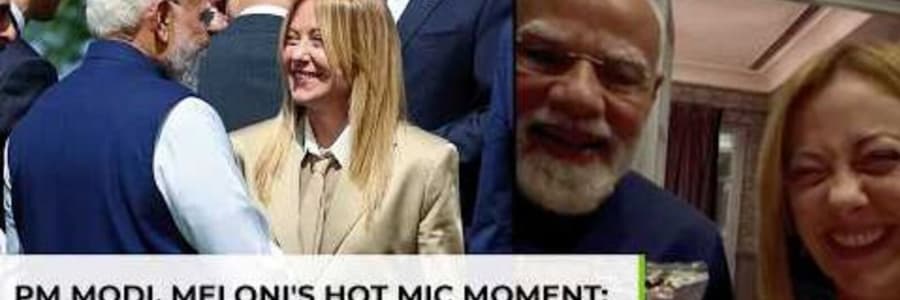
A hot mic caught PM Modi and UK PM Starmer saying "Yes, we did it", suggesting a breakthrough in long-pending trade talksThe UK-India free trade agreement has been under negotiation since 2022, covering tariffs, services, and market accessIf finalized, the deal could reshape trade flows between India's $3.5Tn economy and the UK's post-Brexit trade strategy
Why has the UK-India deal taken so long?
Sticking points included UK demands for lower tariffs on goods like [Scotch whisky] and India pushing for easier visa access for IT professionals. Agriculture, intellectual property, and services mobility created friction across 26 chapters of negotiation since Jan 2022.
What specific tariffs blocked progress?
The UK wanted India to cut tariffs on [Scotch whisky], currently at ~150%. India sought cuts on textiles and leather goods. Both sides also clashed over auto tariffs, with India protecting domestic carmakers from cheaper UK vehicle imports.
Why did earlier rounds of talks collapse?
Talks stalled in 2023 over UK election uncertainty and India's reluctance on dairy and agriculture access. [A scheduled Nov 2023 deadline was missed] after disagreements on rules of origin. Leadership changes in the UK added further delays.
How does this compare to India-EU talks?
India-EU FTA talks, restarted in 2022, cover a larger market but face similar hurdles. The UK deal is simpler because it involves [one country vs. 27 EU members]. If completed first, it could serve as a template for the broader EU negotiation.
What could this deal mean for Indian workers?
Indian professionals, especially in IT and healthcare, could gain easier UK work access. [Indian IT firms like TCS and Infosys] already employ thousands in the UK. Reduced tariffs may also lower prices on UK imports and open new export markets for Indian manufacturers.
Which Indian sectors benefit most?
IT services and pharma stand to gain the most. [Indian generic drug makers like Sun Pharma] could see reduced regulatory barriers. Textiles and gems/jewelry exporters may benefit from lower tariffs, boosting competitiveness against rivals like Bangladesh.
Will UK visa rules actually change?
The UK may offer a dedicated visa quota or reduced fees for [Indian skilled workers in tech and nursing]. Current Youth Mobility Scheme talks could expand to cover professionals aged 18-30. Concrete visa commitments remain the deal's most politically sensitive element.
How does Brexit factor into this deal?
Post-Brexit, the UK needs bilateral deals to replace EU trade access. India becomes a strategic priority as [UK's trade with the EU dropped ~15% since 2020]. For India, a UK deal offers a gateway to Commonwealth markets and signals negotiating leverage with the EU.
How do UK-India trade numbers stack up?
Bilateral trade was ~$42Bn in 2024-25. The UK is India's 14th largest trading partner. India exports [refined petroleum, textiles, and pharma] while importing [machinery and precious metals]. A deal could push volumes ~25% higher over five years.
What's the deal's timeline from here?
Both sides aim for a formal signing by late 2026. [Ratification in UK Parliament and Indian cabinet approval] are needed. Legal scrubbing of text could take 3-6 months. Implementation of tariff cuts would likely phase in over 5-10 years.
How might Indian consumers benefit?
Lower tariffs on UK goods could mean cheaper [imported cheeses, chocolates, and premium spirits] for Indian consumers. UK university partnerships may also expand, potentially lowering costs for Indian students studying in Britain.
What trade volume growth is expected?
Govt estimates suggest bilateral trade could reach ~$52Bn by 2030 from the current ~$42Bn. [Services trade, currently ~$18Bn] is expected to grow fastest. The UK-India Business Council projects the deal could add ~$28Bn in economic value over a decade.
Source: livemint.com