politics · 2026-06-21
Railways Doubles Ticketless Travel Fine
da1a3d29-e790-4190-9953-b6d507205684
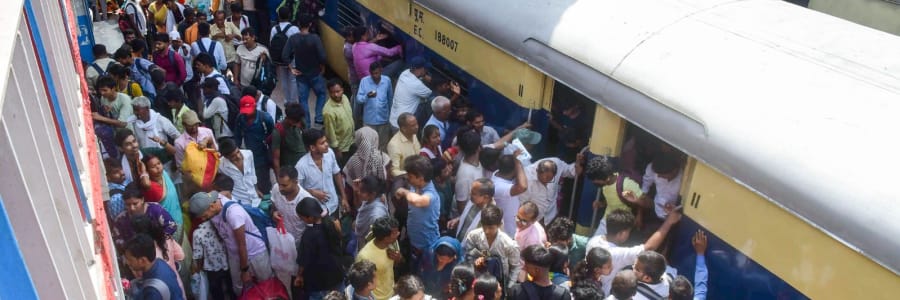
Indian Railways doubled penalties for travelling without a valid ticket, effective Jun 21, 2026Central Railway zone collected ~₹40.85 Cr in fines in May alone, showing the scale of ticketless travelThe move aims to curb unauthorized travel and ensure smoother rail operations across the network
How does the new fine structure work?
Railways doubled the base penalty for travelling without a valid ticket starting Jun 21. Previously, passengers caught without tickets paid a fixed fine plus the fare. Now that fine component is 2x. Central Railway's May collection of ~₹40.85 Cr shows enforcement is active and revenue-generating.
What exactly doubled, fare or penalty?
The penalty component of the fine doubled, not the base fare itself. For example, if a passenger previously paid ₹250 as a penalty on top of the regular fare, that penalty portion is now ₹500. The total amount owed equals the doubled penalty plus the original ticket fare.
Do repeat offenders face extra charges?
Indian Railways treats repeat offenders more severely. Passengers caught multiple times can face prosecution under the Railways Act. In extreme cases, offenders have been jailed for up to 6 months. The doubled fine raises the financial stakes for habitual ticketless travellers significantly.
How do ticket checkers enforce this?
Travelling Ticket Examiners (TTEs) conduct checks on trains, while special squads operate at major stations like Mumbai's CSMT and Delhi's New Delhi station. They verify tickets manually and increasingly use handheld digital devices linked to PRS databases to cross-check reservation status in real time.
Who gets hit hardest by doubled fines?
Daily commuters on unreserved trains, particularly in dense corridors like Mumbai's suburban network, face the steepest burden. A doubled fine on a ₹10 base fare ticket is manageable, but repeat offenders accumulate penalties fast. Migrant workers and lower-income passengers travelling general class are disproportionately affected.
Which routes see most ticketless travel?
Dense suburban and unreserved corridors see the highest ticketless rates. Mumbai's suburban network, carrying ~7.5Mn passengers daily, and Bihar's intercity routes are known hotspots. Overcrowded general coaches make enforcement physically difficult, allowing ticketless travel to persist despite regular checks.
Does this affect platform ticket holders?
Platform ticket holders found riding trains are treated as ticketless passengers. A platform ticket costs ₹10-30 depending on the station but does not authorize travel. Under the new rules, such passengers now face the doubled penalty, making the cost of misusing a platform ticket substantially higher.
Could higher fines push more UPI ticketing?
Railways has been pushing digital ticketing through the IRCTC app and UTS mobile app. Higher fines create a stronger incentive to buy tickets in advance digitally. UTS app downloads crossed 100Mn, but adoption in rural areas remains low. The fine hike could accelerate digital adoption among urban commuters.
How big is India's ticketless travel problem?
Central Railway alone collected ~₹40.85 Cr in ticketless fines in just May 2026. Extrapolated across all 18 railway zones, annual collections likely run into thousands of crores. This signals that millions of passengers still board trains without valid tickets, making it a persistent systemic challenge for Indian Railways.
How much does ticketless travel cost Railways?
Indian Railways loses an estimated ₹1,500-2,000 Cr annually to ticketless travel and fare evasion. This is revenue that could fund track upgrades or new coaches. Central Railway's ₹40.85 Cr May collection represents only a fraction of actual losses, since many evaders are never caught.
What share of passengers travel ticketless?
No official nationwide figure exists, but estimates suggest ~3-5% of all rail passengers travel without valid tickets. On heavily crowded unreserved routes in states like Bihar and Uttar Pradesh, the rate is believed to be significantly higher, sometimes exceeding 10% on specific trains.
How does India compare to other countries?
Japan's Shinkansen reports near-zero fare evasion due to automated gating. London's Tube uses contactless barriers, cutting evasion to ~1.5%. Indian Railways, with its open-platform model across ~7,000 stations, faces a structurally harder enforcement challenge. Barrier-based systems work only at enclosed, high-volume stations.
Source: indianexpress.com