politics · 2026-10-27
Railways overhauls container trains to boost exports
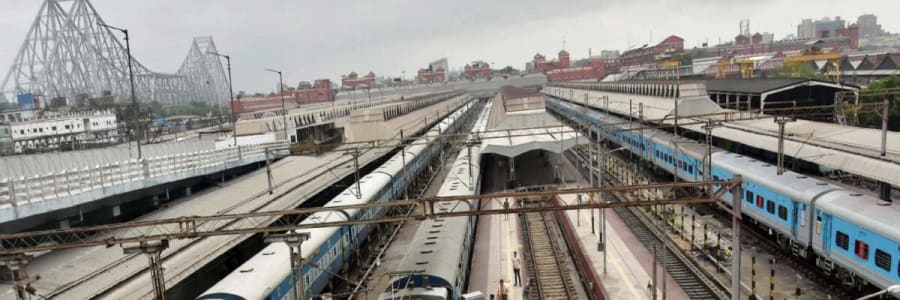
Photo: via The Economic Times
Indian Railways plans easier rules for container trains, like skipping weigh-ins and smaller rakes, to move more export goods. This could make rail cheaper and faster than road, helping Indian exporters.
What is Indian Railways changing in container transport?
Indian Railways will stop mandatory weighment of export containers for certain commodities. Operators submit the Verified Gross Mass certificate, as ports require, and Railways checks only 5% of rakes randomly. It also plans mini rakes of at least 25 wagons and private-sector maintenance of container wagons, though those are still under consideration.
Will Indian Railways trust the operator's weight certificate?
Yes, but with checks. Indian Railways will accept the operator's Verified Gross Mass certificate, the same weight document ports already use. Instead of weighing every rake, it will do random checks on 5% as a safety net. The exemption applies only to certain commodities, not all exports.
What is the hub and spoke plan for rail freight?
Operators would consolidate containers from smaller terminals at a hub, then move them on trunk routes. Crucially, this keeps the long-distance rate, since the per-kilometre charge drops as distance grows, instead of paying higher short-distance rates for re-booking at the hub.
How might private companies maintain container wagons?
Private companies would take over flatbed wagon upkeep themselves. Operators want a freight discount in return, claiming they can cut turnaround time and get wagons back in service faster. Indian Railways is considering this but hasn't decided, and is still working out the financial terms.
Is the weighing change the only firm decision?
No. Only the weighing rule is a firm decision, and it's conditional: export containers of certain commodities skip 100% weighment, but 5% of rakes still face random checks. The other measures, like mini rakes, private wagon maintenance, and hub-and-spoke routes, are still plans under consideration.
Why does Indian Railways weigh containers again after ports do?
Ports and depots already weigh containers, but Indian Railways adds its own weighing of the full train as a separate check, a third weighing for one journey. Under the new plan, export containers of certain commodities skip that railway weigh-in. Operators submit the Verified Gross Mass certificate ports already use, and Railways samples 5% of trains instead.
What else is changing besides weighing rules?
Indian Railways is also planning mini container rakes of at least 25 wagons, down from the current 45, to let operators move higher-value goods in smaller lots. It's considering letting private companies maintain flatbed wagons, which could speed up turnaround, and adding more hub-and-spoke routes for cheaper long-distance tariffs.
Has any of this actually been decided?
Partly. The weighing exemption is described as a decision, though it applies only to certain export commodities and keeps 5% random checks. The mini rakes and private wagon maintenance are still plans: Railways says it is “actively considering” the maintenance proposal and plans to introduce mini rakes, with financial terms under deliberation.
Why does this matter beyond saving exporters time?
It matters because rail is losing manufactured-goods traffic to road. Every weighment is a delay, and every delay pushes cargo onto trucks. Rail freight in India is dominated by bulk goods like coal and cement; containers carry the manufactured goods that rail is trying to win back by cutting compliance burdens. Each container off rail hurts that goal.
Source: economictimes.indiatimes.com