business · 2026-06-19
Railways Plans Fly Ash Logistics Network
a739f56c-5319-4d2c-abf9-52db478fbcda
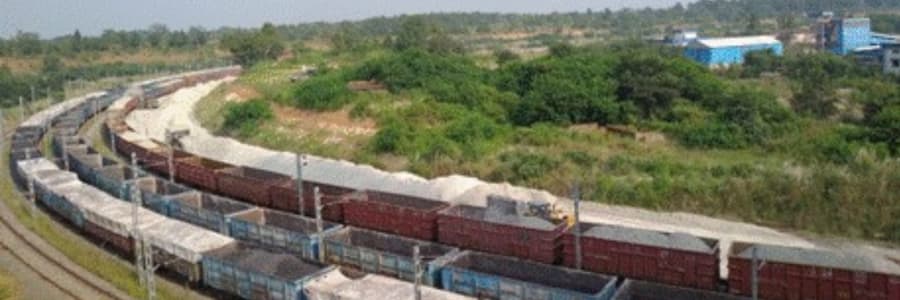
Indian Railways transports only ~13Mn tonnes of the ~340Mn tonnes of fly ash thermal power plants generate yearly. A massive gap exists.Railway Minister Ashwini Vaishnaw held a review at Rail Bhawan to plan a dedicated logistics network for scaling fly ash transport.Fly ash is used in cement, bricks, and road construction. Better rail logistics could unlock industrial demand and reduce environmental hazards.
Why does Railways move so little fly ash now?
Railways currently moves ~13Mn of ~340Mn tonnes produced, roughly 1 in 26 tonnes. Most fly ash sits in ash ponds near thermal plants like NTPC's Singrauli or Korba. Road transport is expensive for bulk material, and dedicated rail infrastructure like sidings and loading points at power plants barely exists.
How big is India's fly ash problem?
India's thermal plants produce ~340Mn tonnes of fly ash yearly. Utilization rates hover around 80%, but much stored ash from prior decades remains in massive ponds. NTPC alone has ash ponds covering thousands of hectares. Ash pond breaches, like the 2020 Singrauli incident, have caused environmental disasters.
Which industries consume the most fly ash?
Cement is the largest consumer, absorbing ~60% of utilized fly ash. Companies like Dalmia Bharat blend it with clinker to produce Portland Pozzolana Cement. Brick manufacturing is second. Road construction and mine-fill also consume significant volumes, but demand remains fragmented without reliable supply chains.
Why can't trucks handle this volume?
Moving 340Mn tonnes by road would need ~34Mn truck trips yearly. That is economically unviable and environmentally counterproductive. A single rail rake carries ~4K tonnes, equivalent to ~100 trucks. Rail is 3-4x cheaper per tonne-km for bulk commodities, making it the only feasible mode at this scale.
What changes if fly ash moves by rail?
Cement makers like UltraTech and ACC already use fly ash as a raw material, but supply is inconsistent due to transport gaps. Reliable rail movement could cut cement production costs by reducing clinker use. For communities near ash ponds, it reduces groundwater contamination and dust pollution from open storage.
Who benefits most from cheaper fly ash?
Cement companies benefit most. UltraTech, India's largest cement maker, already uses fly ash to replace ~30% of clinker. Cheaper, rail-delivered fly ash could save ₹200-300 per tonne on input costs. Brick manufacturers in eastern India, where thermal plants cluster, also gain from lower raw material costs.
Does this affect thermal plant economics?
Thermal plants face penalties for low fly ash utilization. NTPC spends hundreds of crores annually on ash pond maintenance. If Railways provides reliable offtake, plants reduce storage costs and compliance risk. NTPC's Rihand plant in UP, for instance, could redirect ash pond maintenance budgets toward generation.
What environmental risks does fly ash pose?
Fly ash contains heavy metals like arsenic and mercury. Ash pond breaches contaminate water and farmland. In Singrauli, communities report elevated rates of respiratory illness near ash dumps. Proper utilization via rail transport converts a toxic liability into a commercial input, reducing both storage and health risks.
How will Railways build this network?
Railways plans dedicated corridors connecting thermal power clusters to demand centres. For example, NTPC plants in Chhattisgarh and Madhya Pradesh could feed cement hubs in Rajasthan. This requires new rail sidings at power plants, specialized rakes, and loading infrastructure. The ministry review focused on these specifics.
How do other countries handle fly ash?
China utilizes ~70% of its fly ash, largely in cement and road construction. The US uses fly ash in concrete for highways. Germany mandates near-complete utilization. India's ~80% utilization rate looks comparable, but absolute volumes are far larger. India produces roughly 2x the fly ash the US does.
Can fly ash replace sand in construction?
Fly ash bricks are already common in India, partially replacing river sand. They are lighter and stronger than clay bricks. The govt mandates fly ash brick use within 300 km of thermal plants. However, quality varies. Companies like Ecogreen produce standardized fly ash bricks, but small manufacturers dominate the market.
What rail infrastructure is needed first?
Rail sidings at thermal plants are the bottleneck. Of India's ~200 coal-fired plants, fewer than 50 have adequate rail loading infrastructure. Building a siding costs ₹50-100 Cr. The ministry review prioritized plants in Chhattisgarh, MP, and UP, where production is highest and cement demand centres are within rail distance.
Source: indianexpress.com