economy · 2026-03-18
Semaglutide about to get cheap in India
60658e08-e7d1-4af7-b769-cd11c87a56ed
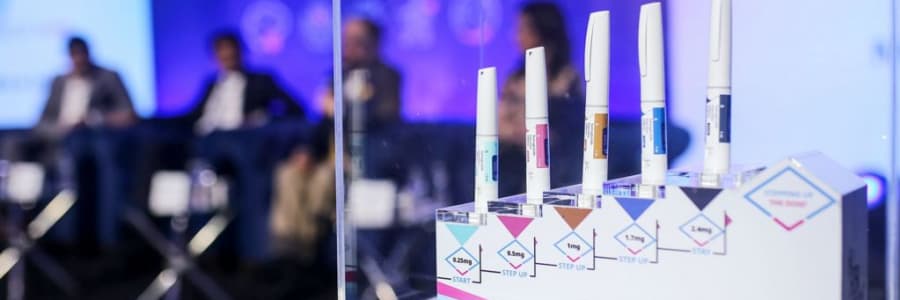
Semaglutide's patent expired in India on Friday, opening the door for domestic drugmakers to produce cheap generics of Novo Nordisk's Wegovy and Ozempic.Around 50 branded generics are expected within months, potentially slashing prices by more than half.Investment bank Jefferies calls it a potential "magic-pill moment," projecting India's semaglutide market could reach $1 billion.India's $60 billion pharmaceutical industry, built on generic manufacturing, is expected to double by 2030.
Why could India's generic drugmakers shake up the global weight-loss market?
India is the world's generic drug powerhouse. With semaglutide's patent now expired there, dozens of manufacturers can produce copies at far lower cost. That intense competition could cut prices by more than half, expanding access for millions domestically and eventually in [countries across Africa, Asia, and Latin America].
What makes India's generic drug industry so uniquely competitive?
India's pharmaceutical sector, worth about [$60 billion], is built on high-volume, low-cost manufacturing. The country produces generics for global markets and has regulatory expertise to scale quickly. Fierce domestic competition among dozens of firms [like Sun Pharma and Cipla] drives prices down fast.
How could Indian generics reach patients outside India?
Indian generic makers already export to [over 200 countries]. Once semaglutide copies are proven safe and effective, they could be sold in nations with weaker patent protections or through international health programs, similar to how India supplies [affordable HIV and tuberculosis drugs] globally.
Why is pricing the key factor for semaglutide adoption in India?
Investment bank [Jefferies] projects India's semaglutide market could hit $1 billion, but only with the right pricing. Most Indians pay out of pocket for medication. Generics priced at [less than half the branded cost] would dramatically widen the pool of people who can afford treatment.
How fast will cheaper semaglutide versions actually reach patients?
Analysts expect about [50 branded semaglutide generics] to hit the Indian market within months. India has a track record of rapid generic launches. When the diabetes drug [sitagliptin] went off patent in 2022, roughly 30 versions appeared within a month and nearly 100 within a year.
How quickly did past drug patents lead to generic floods in India?
When [sitagliptin] lost patent protection in 2022, about 30 branded generics appeared within one month. Nearly [100 versions] were available within a year. Semaglutide is expected to follow a similar trajectory, with around 50 generics anticipated in the first wave.
What role does manufacturing capacity play in the generic rollout?
India's pharmaceutical industry is expected to double to roughly [$120 billion by 2030]. Manufacturers already have injectable drug production lines in place. Companies like [Biocon] specialize in biologics and injectables, giving them a head start on semaglutide production.
How might quality concerns affect the launch of semaglutide generics?
India's drug regulator [CDSCO] will review generic applications for bioequivalence and safety. Injectable drugs like semaglutide require stricter quality controls than oral pills. Companies with [WHO prequalification status] may have an advantage in building trust both domestically and abroad.
What does this mean for Novo Nordisk and branded drug prices worldwide?
Novo Nordisk faces serious competitive pressure. While its [Wegovy] brand launched in India in 2025, the flood of generics could erode pricing power there. If Indian-made generics eventually reach other markets, it could force the company to rethink its global pricing strategy.
What does a $1 billion semaglutide market mean for Novo Nordisk's strategy?
Novo Nordisk launched [Wegovy in India in 2025] at premium pricing. A $1 billion generic market means significant lost revenue potential. The company may need to lower prices or focus on next-generation products [like CagriSema] to stay competitive in emerging markets.
How might other global pharma companies respond to India's generics?
Rival drugmakers like [Eli Lilly], which sells the competing drug tirzepatide, are watching closely. If Indian generics drive semaglutide prices down globally, other companies may accelerate their own pricing adjustments or [pursue partnerships with Indian manufacturers] to compete.
What could this patent expiry signal for future blockbuster drug patents?
This expiry sets a precedent for other high-demand drugs. As patents on blockbusters like [tirzepatide] eventually expire in India, the same pattern could repeat. India's generic industry effectively functions as a global price correction mechanism for [expensive branded medications].
Source: bbc.com