world · 2026-06-25
Trump Pressures NATO Ahead of Ankara
cd4e48d5-90de-46f6-997a-a68a9731d5a6
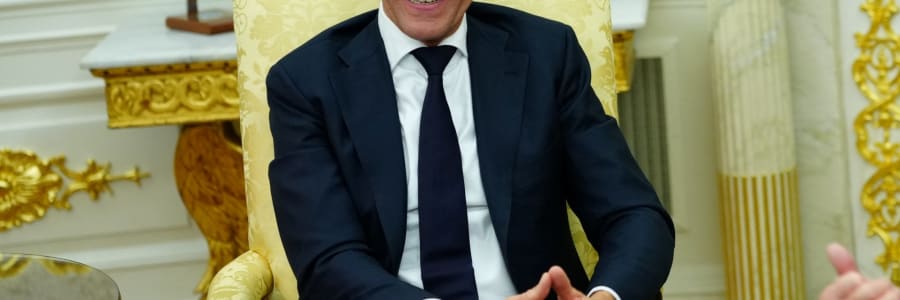
Trump slammed NATO allies for not joining the US-Israel war on Iran during an Oval Office meeting with NATO chief Mark Rutte on Jun 24.NATO's Ankara summit is Jul 7. Trump's pressure could reshape alliance commitments, with the US openly questioning its transatlantic role.European NATO members face direct pressure to increase military contributions, while India watches oil supply and defence partnership implications.
What exactly is Trump demanding from NATO?
Trump wants European allies to have actively supported the US-Israel military campaign against Iran, not just offered diplomatic backing. He said the US 'demolished them in the first week' without help, framing European inaction as freeloading. Countries like Germany and France stayed out of direct combat roles, frustrating Trump.
Did any NATO member support the Iran war?
No NATO member joined combat operations against Iran alongside the US and Israel. The UK offered logistical support but stopped short of direct military involvement. This marks a rare case where a major US military campaign had zero formal NATO participation, unlike the 2001 Afghanistan operation where NATO invoked Article 5.
Why did Trump single out Europe, not Asia?
NATO is a transatlantic alliance. Treaty obligations under Article 5 apply to mutual defence, and Trump argues the Iran conflict qualified. Asian allies like Japan and South Korea have bilateral defence pacts with the US, not NATO commitments. Trump's framing treats NATO as a military cost-sharing arrangement, not a political alliance.
What does 'demolished in a week' refer to?
The US launched extensive airstrikes on Iranian military infrastructure, including missile sites and naval facilities, in the opening days of the conflict. Iran's air defences were overwhelmed quickly. However, the broader Middle East conflict lasted weeks, with proxy groups in Lebanon and Yemen continuing hostilities well beyond that initial phase.
Could this fracture NATO before the summit?
A real fracture is possible but unlikely before Jul 7. Trump has previously mused about pulling back from NATO entirely. Rutte's White House visit is seen as an effort to smooth tensions before the Ankara summit. If Trump withholds security guarantees, eastern European members like Poland and the Baltic states face the most immediate exposure.
Would a US NATO exit trigger an arms race?
If the US withdrew, European nations would need to fill a massive capability gap. NATO Europe currently spends roughly 2% of GDP on defence on average, while the US accounts for about 70% of total alliance military spending. Germany has already accelerated a €100Bn defence fund. A full exit could push France and Germany toward an independent European defence force.
How do NATO members actually split costs?
NATO has no shared military budget for operations. Each member funds its own forces. The 2% of GDP spending guideline, agreed in 2014, remains unmet by roughly half of members. The US spent ~$886Bn on defence in 2024. By contrast, all European NATO members combined spent ~$380Bn, making the imbalance Trump highlights structurally real.
What leverage does Rutte have with Trump?
Rutte served as Dutch PM for 14 years, building a pragmatic reputation. Trump publicly called him a 'great guy' and said he wouldn't meet anyone else in Rutte's role. Rutte's leverage is personal rapport, not institutional. He can offer commitments on defence spending targets but cannot compel member states to join military operations they oppose.
How does a NATO rift affect India's stance?
India maintains strategic autonomy but relies on both US defence deals (like the GE-414 engine agreement) and relationships with European NATO members. A weakened NATO could push European nations toward independent defence partnerships with India. Meanwhile, the Iran war already sent shockwaves through oil markets, directly hitting India's import bill.
Does this shift India's oil supply calculus?
The Iran war already disrupted crude flows through the Strait of Hormuz, through which India imports roughly 60% of its crude. A sustained NATO rift means European nations may independently seek energy security deals, potentially competing with India for alternative suppliers like Saudi Arabia and the UAE. Indian refiners like Reliance and BPCL face continued price volatility.
Could India gain from EU defence autonomy?
A more independent European defence bloc could open new arms export and co-development opportunities for India. France's Dassault (Rafale supplier) and Germany's ThyssenKrupp (submarine builder) might pursue deeper bilateral deals outside NATO frameworks. India's defence imports from Europe totaled ~$3Bn in FY25, a figure that could grow if EU nations diversify partnerships.
Which Indian sectors feel this NATO tension?
Defence stocks like HAL and BEL could see increased order interest if European nations seek non-US partners. Oil marketing companies face margin pressure from crude volatility. IT services firms like TCS and Infosys, with large European operations, could face headwinds if defence spending crowds out digital transformation budgets across EU govt contracts.
Source: aljazeera.com